Swivel vs. Sales Coaches
The major drawbacks of sales coaches
When your reps are struggling to hit quota, sales training seems like the obvious fix. Traditional sales coaching focuses on skills—but leaves gaps in strategy, tools, and execution. Swivel fills those gaps, giving your reps the playbooks, systems, and support they need to consistently win.
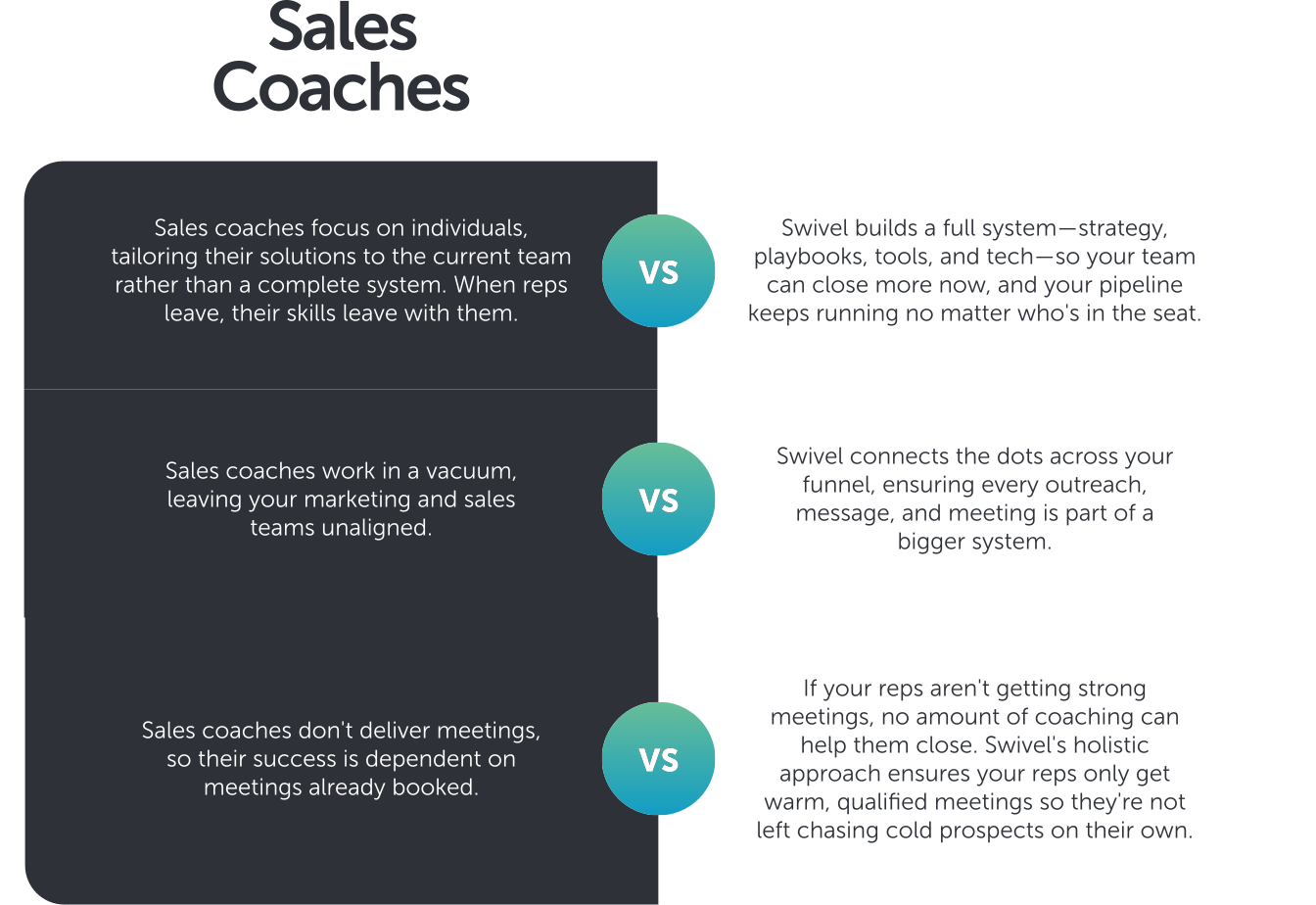
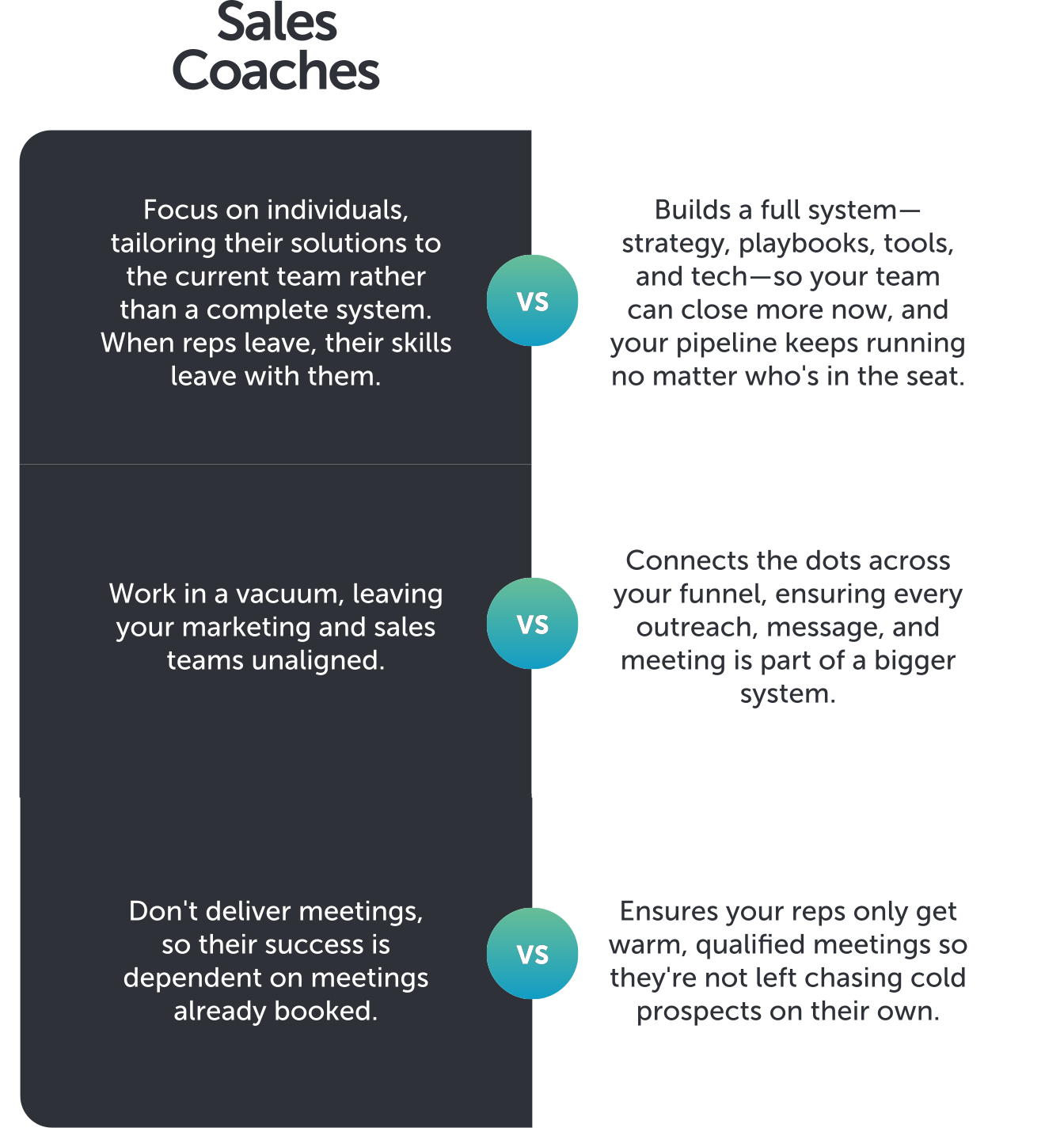
See how systems win over coaches
Sales Coaches
Swivel
We know what you're thinking
“Close rates are our biggest issue. Not meetings.”
"No, actually. Close rates are the priority."
"I just need a coach to hold them accountable."
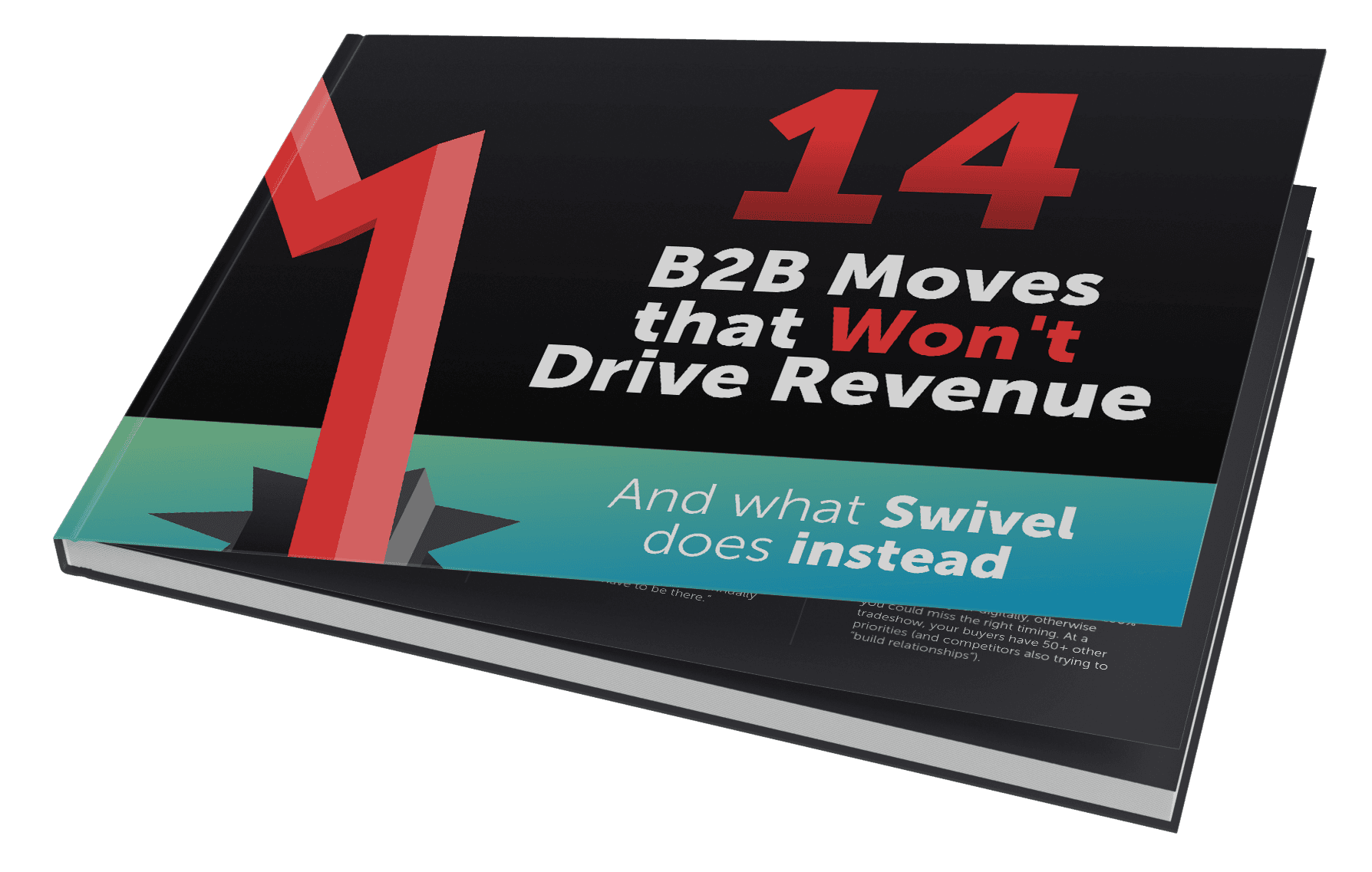
Learn the other 13 moves that won't drive revenue.
Uncover more of the common growth mistakes beyond sales coaches that keep companies stuck—and what works instead.

"By making our sales processes more data driven, Swivel helps us not only strengthen existing relationships, but also forge profitable new ones. Their insights and techniques have been crucial in maximizing our growth and customer engagement."
Brett Schwartz
CAO, Geyer

Frequently asked questions
Is sales coaching or a revenue system better for growth?
Coaching improves how your reps sell, but it can't create pipeline for them to work. A revenue system generates the warm, in-market meetings reps need — then supports them with playbooks and tools built into their daily workflow, not just periodic coaching sessions. See how it works.
Can sales coaching fix a pipeline problem?
No — coaching addresses skills, not demand. If reps have empty calendars, better technique won't fill them. Swivel solves the upstream problem by building the demand and BD engine that puts qualified meetings on the calendar. See the results.
How is Swivel different from a sales trainer?
A trainer teaches; Swivel builds and runs the system. Reps get tools, guidance, and pipeline built into their workflow continuously, rather than one-off training that fades. Compare Swivel vs. BDRs.