Swivel vs. Siloed Marketing Tactics
The major drawbacks of siloed marketing
Scattershot marketing wastes time and budget. Swivel’s approach integrates marketing and business development into a holistic sales strategy to drive consistent, measurable growth.
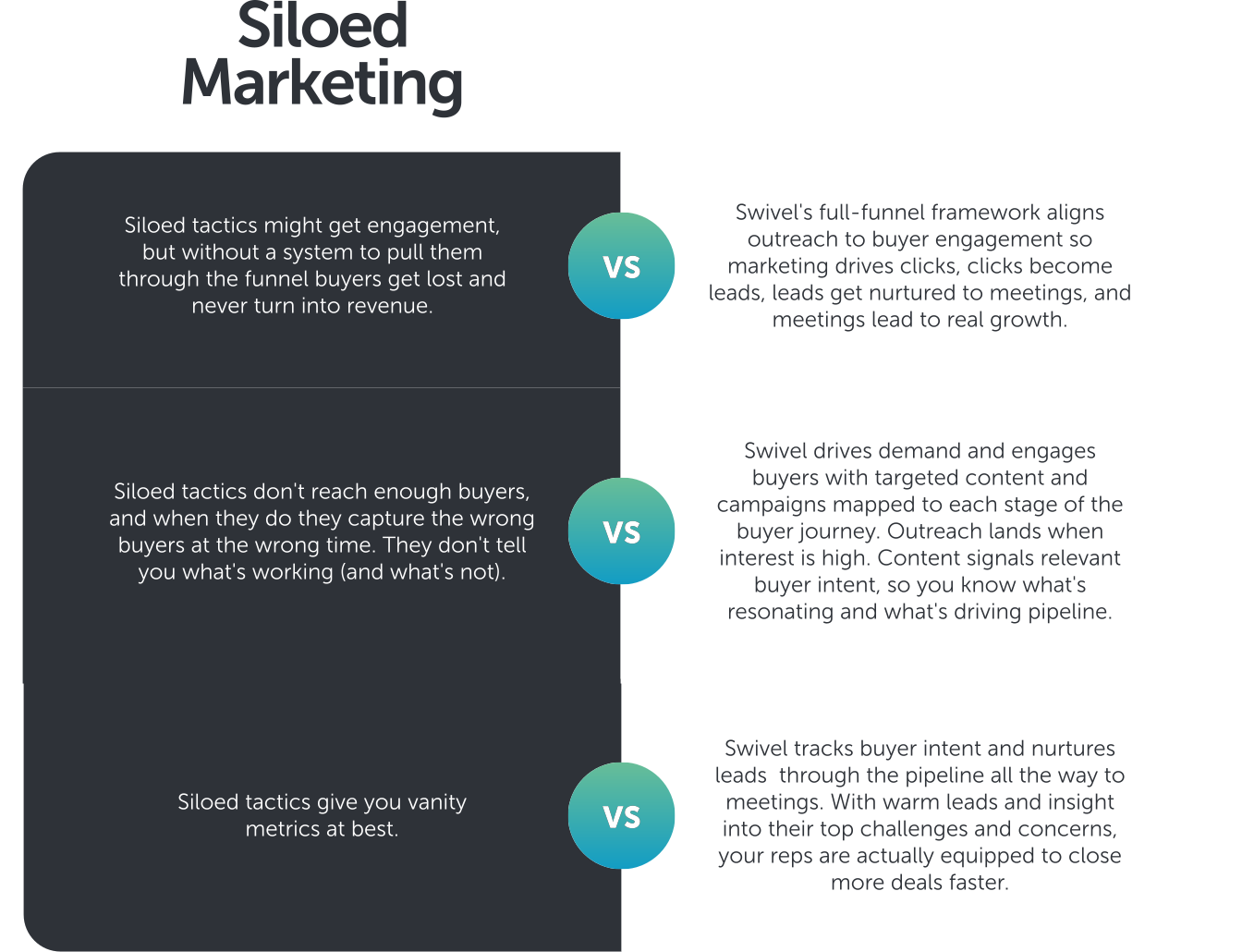
See how systems win over siloed marketing tactics
siloed
marketing
Swivel
We know what you're thinking
"If we create enough content, the leads will come."
"It just takes time to see marketing ROI."
"Engagement means our marketing is working."

Learn the other 13 moves that won't drive revenue.
Uncover more of the common growth mistakes beyond siloed marketing tactics that keep companies stuck—and what works instead.

"Swivel helped us define our positioning, messaging, and web presence to drive sales growth. They understand the big picture behind every initiative and stay ahead of what we need. Even in a city with a million marketing agencies, Simcha and her team stand a head above the rest."
Khalil El-Amin
Co-Founder & Chief Strategist, Nichefire

Frequently asked questions
Why doesn't siloed marketing drive revenue?
Siloed marketing — scattered tactics run in isolation from sales and BD — wastes time and budget because no single channel drives revenue on its own. A campaign here, a channel there, none of it connected to a full-funnel motion. Growth happens when marketing, business development, and sales work as one connected system. See how Swivel connects them.
What's the difference between marketing and a revenue system?
Marketing is one input; a revenue system is the whole engine — strategy, demand generation, business development, and sales enablement aligned to pipeline and revenue, not just leads or impressions. See real revenue results.
Should I invest in more marketing or a full revenue system?
More marketing without connected sales and BD usually produces leads that never convert. A revenue system ties every activity to pipeline, so spend turns into meetings and closed deals. Compare with hiring BDRs.