Swivel vs. Hiring More Reps
The major drawbacks of hiring more sales reps
More reps doesn’t always mean more revenue. Swivel gives your existing team the systems, tools, and strategy they need to boost performance—without adding headcount or overhead.
See how systems win over more reps
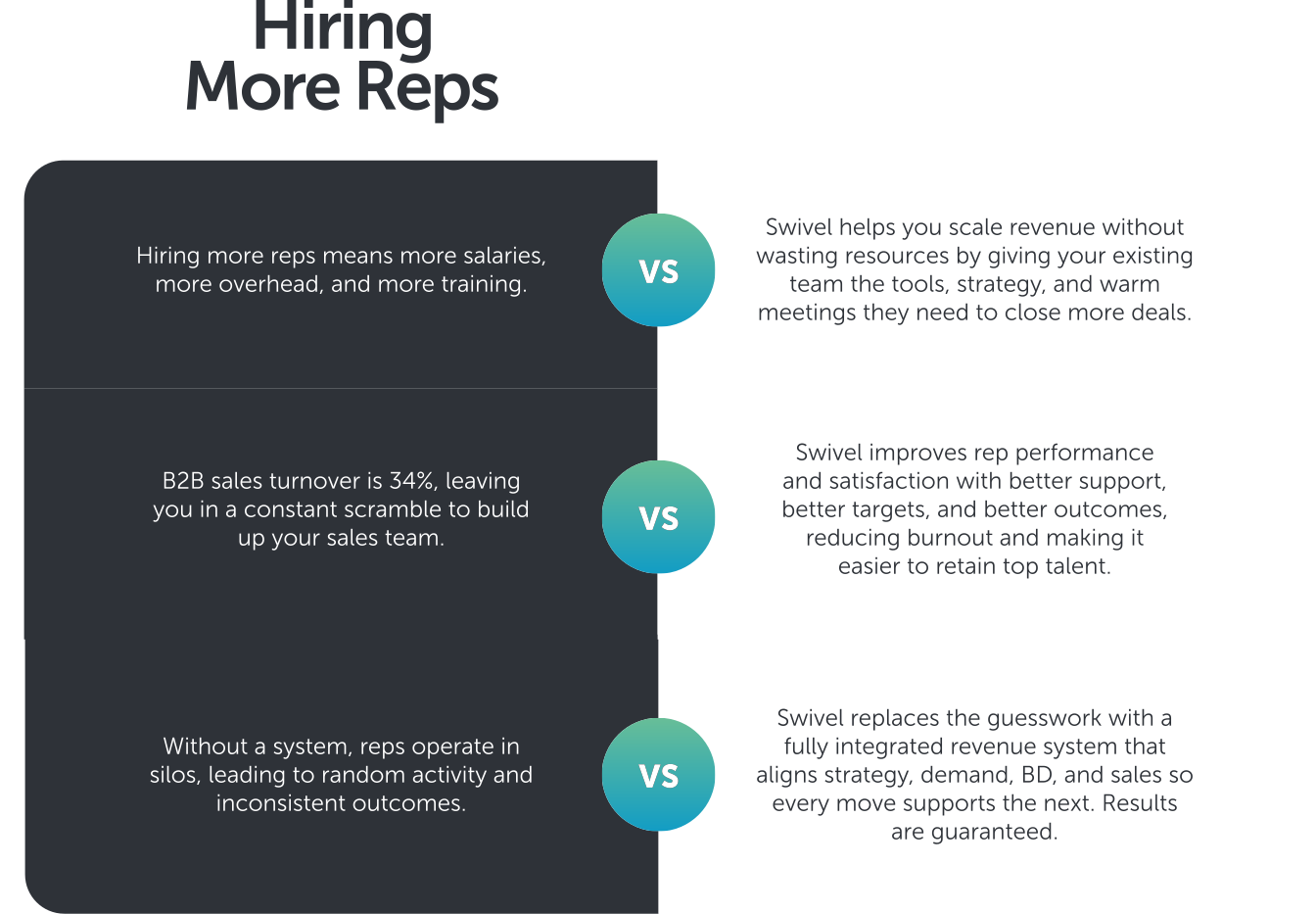
HIRING MORE
SALES REPS
Swivel
We know what you're thinking
“I can just hire another rolodex.”
“Reps can set meetings by building new relationships.”
“Even underperforming reps are cheaper and more effective than the alternatives.”
“Marketing has never generated meetings for us, so we have no choice.”

Learn the other 13 moves that won't drive revenue.
Uncover more of the common growth mistakes beyond hiring more sales reps that keep companies stuck—and what works instead.

Kurtis Hawkins
Director of Sales, Abre

Frequently asked questions
Should I hire more sales reps or build a better system?
Adding reps without a system that generates pipeline just multiplies the problem — more people competing for the same thin flow of meetings. Building a revenue system first means every rep you have (or add) gets a full calendar of warm, in-market meetings. See the results this produces.
Will hiring more reps actually increase revenue?
Only if there's enough qualified pipeline to feed them. Most teams find new reps ramp slowly and stall because demand generation and BD aren't keeping their calendars full. Swivel builds the demand engine first, so added headcount converts instead of idling. Here's how the system works.
What's the ROI of a revenue system vs. new headcount?
A new rep is a fixed cost that pays off only after a long ramp; a revenue system drives pipeline across your whole team from the start. Swivel clients see guaranteed pipeline in 100 days and 10x average ROI. Compare this to hiring BDRs.